Have you seen two homes joined by a single wall and wondered if it’s a twin, a duplex, or something else entirely? You’re not alone. In Havertown, you’ll find older, established blocks where these property types sit side by side, and the differences matter for financing, insurance, and maintenance. In this guide, you’ll learn exactly what a twin home is, how it compares to a duplex and a rowhome, and what to look for when you buy in Haverford Township. Let’s dive in.
What is a twin home?
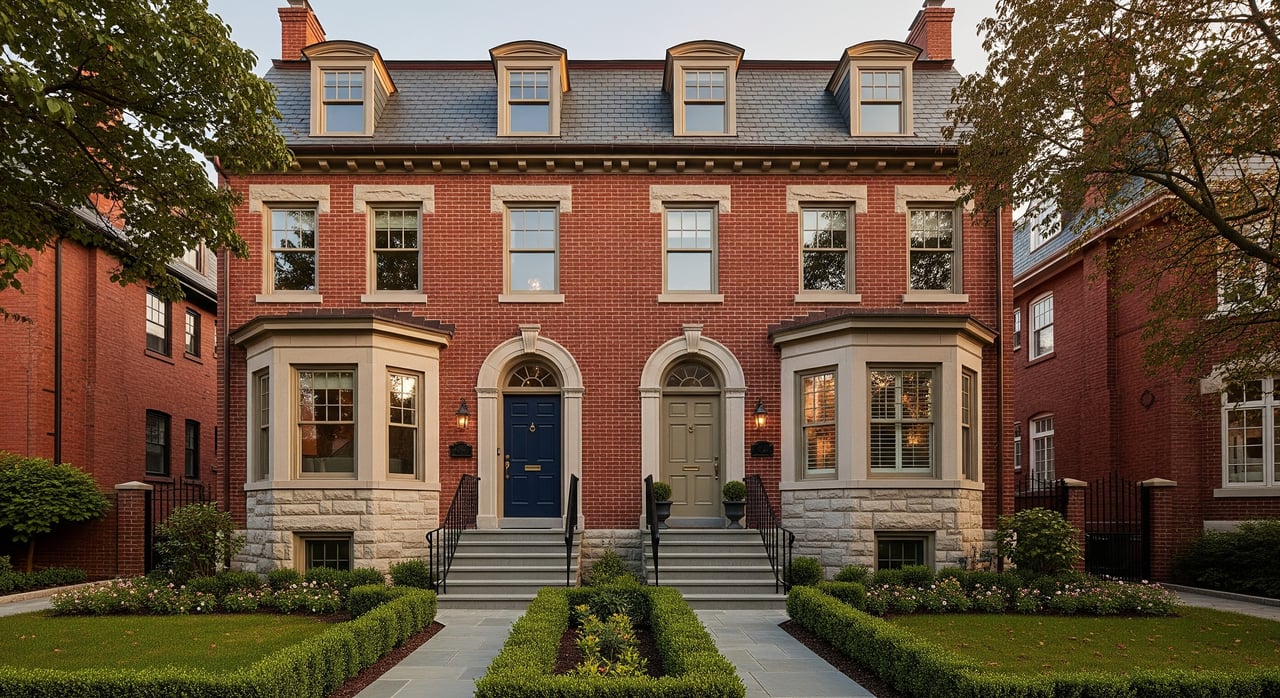
A twin home, also called a semi-detached or semi, is one of two single-family dwellings built side by side that share one common wall. Each side is typically sold separately and may have its own tax parcel and separate utility meters. Ownership is usually fee simple, which means you own your structure and your lot.
Because each side is legally a single-family home, you generally finance a twin like any other one-unit property. You still share a party wall with your neighbor, so you should plan for coordination on certain maintenance items.
Twin vs. duplex vs. rowhome
- Duplex: A duplex is one building with two legal dwelling units on a single parcel. It is often owned by one owner who may occupy one unit and rent the other. Lenders and insurers treat it as a multi-family property.
- Rowhome/townhouse: Multiple attached homes built in a row, each with its own entrance. Ownership can be fee simple or condominium depending on the setup. Some areas include HOA or shared-maintenance rules.
How to tell what you’re looking at
When a building has two front doors and a shared wall, it can be easy to mislabel it. Use these signals to confirm the property type during your due diligence:
- Parcel or tax ID: Separate parcels for each side suggest a twin sold as two single-family homes. One parcel covering both units suggests a duplex.
- Deed and legal description: The deed should show lot boundaries. Your title report will confirm whether the property is a single lot or one of two.
- Utility meters: Separate electric, gas, and water meters usually indicate separate ownership. Shared meters are more common in duplexes.
- Local records: Zoning and permit files may label a property as single-family attached, semi-detached, or two-family. In Havertown, contact Haverford Township’s Building & Planning/Zoning Department for clarity, and use Delaware County property records to confirm parcels and assessments.
Why twins fit Havertown
Havertown, part of Haverford Township in Delaware County, has many homes built in the early to mid-20th century. You’ll see classic construction, mature trees, and established blocks near local parks and neighborhood shopping corridors. That mix attracts both first-time and move-up buyers.
Twins often sit between rowhomes and detached single-family houses on price and lot size. Many buyers choose twins for a balance of space, location, and value, while staying in a residential neighborhood setting. Pricing can vary by street and condition, so plan to review current comparables before you offer.
Local utilities commonly include PECO for electric and gas and Aqua Pennsylvania for water in many areas, with township-managed sewer. Service areas can vary by street, so confirm providers and meter setups for each property you tour.
Financing and insurance differences
Lenders, insurers, and appraisers rely on the property’s legal classification, not how it looks from the curb. That is why it is critical to verify whether you’re buying a single-family twin or a duplex.
- Mortgage classification: A twin that is separately parceled and titled as a single-family dwelling is typically financed like any one-unit home using conventional, FHA 1-unit, or VA 1-unit options. A duplex is financed as a two-unit property and follows different underwriting rules.
- Owner-occupancy programs: FHA and VA allow you to purchase 2–4 unit properties if you will occupy one unit as your primary residence. Discuss current down payment and reserve requirements with your lender.
- Down payment and qualification: Conventional loans for single-family homes can offer low down payment options for qualified buyers. Two-unit financing often requires higher down payments or reserves, and rental income may factor into qualification.
- Insurance: A single-family twin typically uses a standard homeowner’s policy. A duplex or an owner-occupied multi-unit needs a policy with landlord coverage and additional liability. Since twins share a wall, insurers may ask about the party wall’s fire separation.
- Appraisals: Appraisers compare your property to similar properties. A twin that is legally single-family will be compared to other single-family homes or semi-detached comps. A duplex is compared to two-unit properties, which can affect value.
- Taxes and rentals: If you plan to rent a unit or portion of a property, confirm township rental registration rules, potential zoning limits, and tax implications for rental income.
Practical tip: Ask your lender early how they classify the property, whether rental income will be counted, and if your renovation plans could change the classification later.
Maintenance and legal considerations
Twins share a wall and sometimes rooflines, drainage, or access. A careful inspection and clear documents will save you time and money later.
- Party wall: Look for settlement, stair-step cracks, and signs of water infiltration along the shared wall. Older homes may have less soundproofing and fire separation than modern construction.
- Rooflines and gutters: Two halves can meet at complex roof junctions. If guttering or downspouts are tied together, you and your neighbor may need coordinated maintenance to prevent ice dams or overflow.
- Foundations and grading: Water management on one lot can affect the other. Poor grading or clogged drains on either side can push water into basements.
- Utilities: Separate meters for electric, gas, and water simplify ownership. If meters or systems are shared, plan for billing and access agreements.
Legal and document checks:
- Deed and lot lines: Confirm parcel boundaries and the legal description during title review.
- Party wall and easements: Ask for any recorded party wall agreements or easements that define cost sharing, access, or roof work. If none exist, work with your professionals to establish one at or before closing.
- Shared maintenance or HOA: Some streets have private agreements for shared drives, yards, or fencing. Review any bylaws or maintenance rules.
Inspections to prioritize:
- Structural and foundation: Hire an inspector familiar with attached homes to evaluate the party wall and overall structure.
- Roof and attic: Check flashing, valleys, and areas where rooflines meet. Ask about past leaks and repairs.
- Moisture and drainage: Review gutters, downspouts, grading, and any basement waterproofing history.
- Separate systems: Confirm separate HVAC units, utility meters, and sewer laterals if present.
- Sound and fire separation: Ask your inspector to evaluate the party wall’s fire blocking and sound attenuation.
- Pest/termite: Older construction can be susceptible. Request records of prior treatments.
Permits and renovations:
- Conversions or new kitchens can trigger building code and zoning reviews. Confirm that past renovations were permitted and closed with Haverford Township. Unpermitted work can affect financing and insurance.
Neighbor coordination:
- Because some maintenance requires cooperation, written agreements reduce disputes. Clear expectations about roof work, gutters, shared drives, or fences are important.
Step-by-step buyer checklist
Use this checklist while you tour, write an offer, and complete due diligence.
Documents and verifications
- Deed and legal description to confirm lot lines and parcel numbers with county records.
- Most recent property tax bill and assessment details.
- Current survey to confirm boundaries, easements, and any encroachments.
- Title report or title commitment to identify easements, covenants, and any liens.
- Party wall agreements, easements, or shared-maintenance contracts.
- Utility bills for the past 12 months and proof of separate electric, gas, and water meters.
- HOA or neighborhood association documents, if applicable.
- Building permits and renovation records from the township.
Questions to ask the seller or neighbor
- Is each side of the building on its own parcel with a unique tax ID?
- Are there separate meters for electricity, gas, and water?
- Is there a recorded party wall agreement or written cost-sharing arrangement?
- Has there been any water infiltration, foundation work, or roof leak affecting the shared wall or roofline?
- Are there rental registration rules or past township complaints related to the property?
- Who maintains shared drives, fencing, and snow removal if those features exist?
Inspections and professional advice
- Hire a general home inspector with attached-home experience and consider a structural engineer if you see significant cracks or settlement.
- Consult a real estate attorney to review deeds, easements, and any party wall agreement.
- Speak with local lenders early to confirm loan products and down payment needs based on legal classification.
- Review insurance options for homeowner versus landlord coverage.
Negotiation and offer strategy
- If shared systems or the roof need work, negotiate a credit or a defined repair plan.
- If no party wall agreement exists, request that the seller record a mutually acceptable agreement before closing.
- Include financing contingency language that addresses how the lender classifies the property, so you can renegotiate if it is treated as multi-family unexpectedly.
Havertown-specific tips
- Confirm classification: Use Delaware County property records to confirm parcel numbers and tax status. Ask your title company and agent to verify the legal description.
- Township guidance: Haverford Township’s Building & Planning and Zoning teams can help you understand permits, occupancy, and any special requirements for attached homes.
- Utilities: Verify PECO, Aqua Pennsylvania, and township sewer details for the specific address. Ask for utility bills to estimate monthly costs.
- Older-home diligence: Because many Havertown homes date to the early and mid-1900s, prioritize structural, moisture, roof, and pest inspections. Evaluate sound and fire separation in the party wall and consider upgrades if needed.
Ready to tour twins in Havertown?
If a twin fits your wish list for space, price, and neighborhood feel, you’re not far from a great find. You deserve a guide who understands how legal classification affects financing, what to check on party walls and rooflines, and how to structure a clean offer with the right protections. The family-led team at Fizzano Family of Associates Realtors is ready to help you compare options, line up lenders and inspectors, and negotiate with confidence. Request a free consultation and home valuation today.
FAQs
What is a twin home vs. a duplex in Havertown?
- A twin is one of two single-family dwellings with a shared wall and typically separate parcels and meters. A duplex is one building with two units on a single parcel, treated as a multi-family property by lenders and insurers.
Can I use FHA or VA financing on these properties?
- Yes, you can use FHA or VA for a single-family twin if you qualify. FHA and VA also allow owner-occupants to buy 2–4 unit properties, such as a duplex, subject to program rules.
Do twin homes share utility meters?
- Many twins have separate electric, gas, and water meters for each side. Always verify meters and billing during due diligence, since some older homes may have shared runs or legacy setups.
Do I need a party wall agreement for a twin?
- It is best practice to have a recorded party wall agreement or easement that outlines maintenance, access, and cost sharing. If none exists, consider creating one at or before closing.
What inspections are most important for a twin home?
- Focus on the party wall, roof and flashing where the two halves meet, drainage and grading, foundation settlement, separate utilities, and pest/termite history.
How do appraisals handle twins versus duplexes?
- Appraisers compare twins that are legally single-family to similar single-family or semi-detached comps. Duplexes are compared to two-unit properties, which can change valuation and loan terms.