*
Search
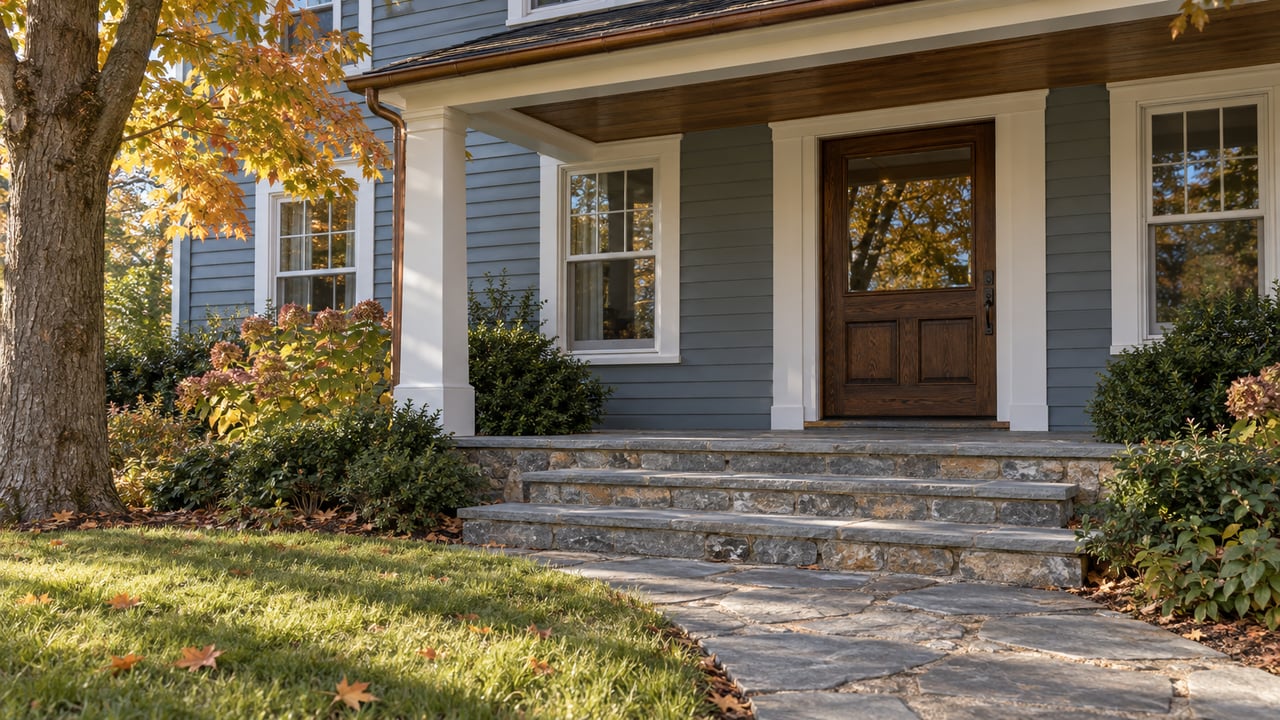
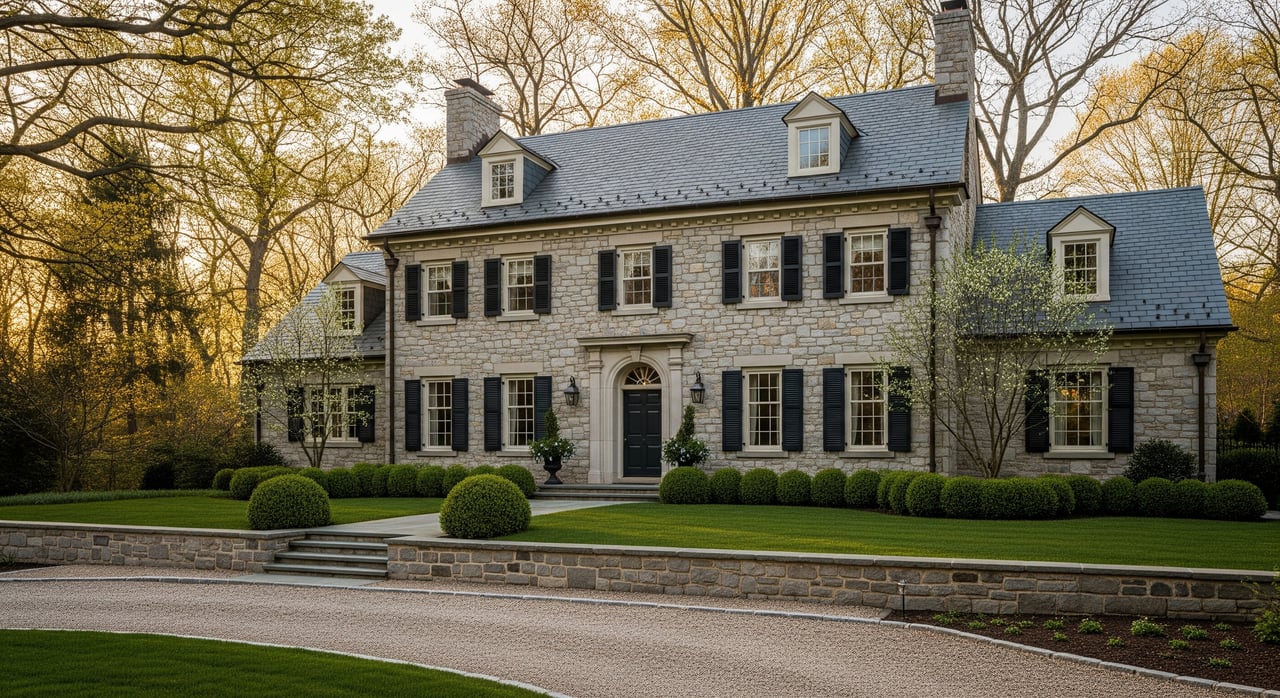
Large two-story stone house with black shutters, a slate roof, and clipped shrubs along the front.

Why Main Line Stone Colonials Hold Value

December 4, 2025

If you love classic curb appeal and solid construction, you’re probably drawn to the stone Colonial homes that define the Main Line. You might be weighing a purchase in Bala Cynwyd or considering how to prep your own home for the market. Either way, understanding why these homes hold value can help you make smart, confident decisions. In this guide, you’ll learn what drives long-term value, which updates pay off, how to evaluate condition, and what to check before you buy or sell. Let’s dive in.

Why stone Colonials keep value

Stone Colonials on the Main Line have a reputation for lasting quality. The reason starts with materials. Solid stone masonry resists rot and insects, and when maintained correctly, it can last for generations. Guidance from the International Masonry Institute highlights how proper mortar, drainage, and repointing protect masonry from moisture and freeze-thaw cycles.

Many higher-end homes also have slate roofing. Slate is a premium material known for decades of service life when installed and maintained by specialists. The National Slate Association notes that slate roofs, flashing, and underlayments require periodic attention, yet the material itself is long-lived and repairable.

Inside, you often find plaster walls, original millwork, hardwood floors, and built-ins. These details signal craftsmanship and reduce the need for full replacements. The classic center-hall layout, balanced windows, and formal rooms are easy to live with and easy to update, which keeps buyer appeal strong over time.

Scarcity also matters. Very few new homes are built with authentic stone walls and the same level of detail. Limited supply, combined with strong demand for traditional architecture on the Main Line, supports price stability over the long term.

Why Bala Cynwyd amplifies value

Bala Cynwyd sits close to Center City Philadelphia and benefits from strong transit and commuter access. The Main Line corridor offers regional rail and bus service through SEPTA, plus straightforward highway routes. Access to jobs and culture in the city while living in a walkable, leafy suburb is a consistent driver of demand.

The Lower Merion School District is widely recognized for strong performance. Public sources like Niche’s district profile provide neutral, data-driven context that many buyers review during their home search. School-district quality is a long-standing factor that supports home values across the township.

Preservation practices also help. Lower Merion’s neighborhoods include historic resources, design review in certain areas, and zoning that favors conservation of streetscape character. The township’s historic resources information can guide your planning if you are considering exterior changes. At the state level, the Pennsylvania Historical & Museum Commission offers additional context for working with older properties.

Together, location, schools, and a stable neighborhood fabric create a solid foundation for long-term value in Bala Cynwyd.

Condition and inspection priorities

Older stone Colonials are durable, but age brings specific risks. A focused inspection helps you separate charm from costly surprises.

  • Masonry and moisture

    • Look for crumbling or recessed mortar that may need repointing. Inappropriate mortar or deferred repairs can allow water to penetrate stone walls. The International Masonry Institute underscores the importance of correct materials and techniques.
    • Check grading, gutters, and downspouts. Poor drainage can create efflorescence and rising damp.
    • Evaluate foundation movement. Significant cracking or displacement warrants a structural assessment.
  • Roofs and chimneys

    • Slate is durable, but flashing, nails, and underlayment age faster. The National Slate Association recommends regular inspections and professional repairs. Pay close attention to chimney flashing and masonry.
  • Systems and safety

    • Older homes may have original or outdated electrical, galvanized plumbing, or aging boilers. Expect to budget for service upgrades.
    • Lead-based paint and asbestos-containing materials are possible in historic homes. Plan testing and proper abatement as needed.
  • Basements and drainage

    • Many homes have full basements. Ask about sump pumps, waterproofing, and any history of water intrusion. Stone foundations can transfer moisture without modern drainage.
  • Windows and woodwork

    • Original wood windows are often repairable. Weatherstripping, reglazing, or compatible storm panels can improve comfort while preserving character.

Updates that pay off on resale

Your goal is to preserve character while reducing buyer risk and improving daily function.

  • Fix the fundamentals first

    • Tackle mechanicals and the building envelope before cosmetic work. Buyers value a roof in good condition, upgraded electrical service, and reliable HVAC.
  • Kitchens and baths

    • Thoughtful, classic updates sized to the house tend to show best. National trends from Remodeling’s Cost vs. Value report and NAR research indicate kitchen and bathroom improvements remain top priorities for buyer appeal and perceived value.
  • Add function where it counts

    • If space allows, consider adding a bath or a mudroom. These changes support modern living without altering the home’s architectural DNA.
  • Energy and comfort

    • Improve performance discreetly with attic and basement insulation, high-efficiency HVAC, and restored or retrofit windows. Focus on solutions that do not change the façade or damage historic materials.
  • Curb appeal and lighting

    • Trim mature landscaping, highlight the stone façade, and use classic lighting to guide the eye to the entry.
  • What to avoid

    • Do not cover or remove defining Colonial features. Avoid trendy alterations that disrupt balance or conceal stone. Large additions that overwhelm the lot can reduce marketability.

Seller checklist for Bala Cynwyd stone Colonials

  • Get a pre-listing inspection that emphasizes masonry, roofing, electrical, plumbing, HVAC, and basement drainage.
  • Address visible deferred maintenance. Repoint mortar, repair slate, clean gutters, and refresh exterior trim paint.
  • Modernize key systems where needed. Document permits, warranties, and contractor details. Buyers appreciate clear records.
  • Stage to showcase original features. Center sightlines on fireplaces and millwork, and keep rooms light and proportional.
  • Create a property factsheet. Include roof and repointing history, system upgrades, surveys, and any historic reports.

Buyer checklist for evaluating these homes

  • Hire an inspector who understands stone construction. For significant concerns, involve a structural engineer.
  • Verify slate-roof age and maintenance history. Obtain a quote from a slate specialist if you suspect near-term work.
  • Confirm electrical service size and wiring type. Budget for panel and wiring updates if needed.
  • Evaluate drainage, basement moisture, insulation, and HVAC. These items affect comfort and operating costs.
  • Consider lifecycle costs. Masonry and slate are durable, but specialized trades can be pricier. Factor that into your offer and timelines.
  • Ask about local requirements. Review Lower Merion Township historic resources and consult the Pennsylvania Historical & Museum Commission for preservation guidance before planning exterior changes.

Timing, costs, and documentation

Specialized work like repointing or slate repair can take longer to schedule. System upgrades often require permits, which can affect your listing timeline. The best way to protect value is to keep a clear file of invoices, permits, and warranties for roof, masonry, HVAC, electrical work, and waterproofing. Organized documentation builds buyer confidence in a premium market.

The bottom line

Main Line stone Colonials hold value because they combine enduring materials, thoughtful design, and a stable local setting. In Bala Cynwyd, strong commuter access, respected public schools, and preservation-minded neighborhoods add support. If you plan ahead, invest in the fundamentals, and present your home with care, you can capture that value at resale. If you are buying, a methodical inspection and realistic budgeting will help you compete with confidence.

Ready to talk strategy for your Bala Cynwyd home? Reach out to the Fizzano Family of Associates Realtors to request a free consultation and home valuation.

FAQs

What defines a Main Line stone Colonial and why does it hold value in Bala Cynwyd?

  • It is typically a center-hall Colonial with stone masonry, symmetry, and traditional details. Durable materials, classic layouts, transit access, and stable neighborhood character support long-term value.

How long does a slate roof last on a Main Line home?

  • Slate is known for decades of service life when installed and maintained correctly. The National Slate Association recommends regular inspections and professional repairs for longevity.

Do preservation rules limit renovations in Lower Merion Township?

Which updates deliver the best resale impact for stone Colonials?

What should I inspect first when buying an older stone Colonial in Bala Cynwyd?

  • Start with masonry and roof condition, then evaluate electrical service, plumbing, HVAC, and basement moisture. Use a masonry-aware inspector and, if needed, a structural engineer.

Work With Us

We all know that the world has changed and Real Estate has as well. If you are contemplating selling or buying, please allow me the opportunity to talk with you about my “Win/Win” Real Estate solution!